.
.
Kauri gum – A scientific insight into ambers origin
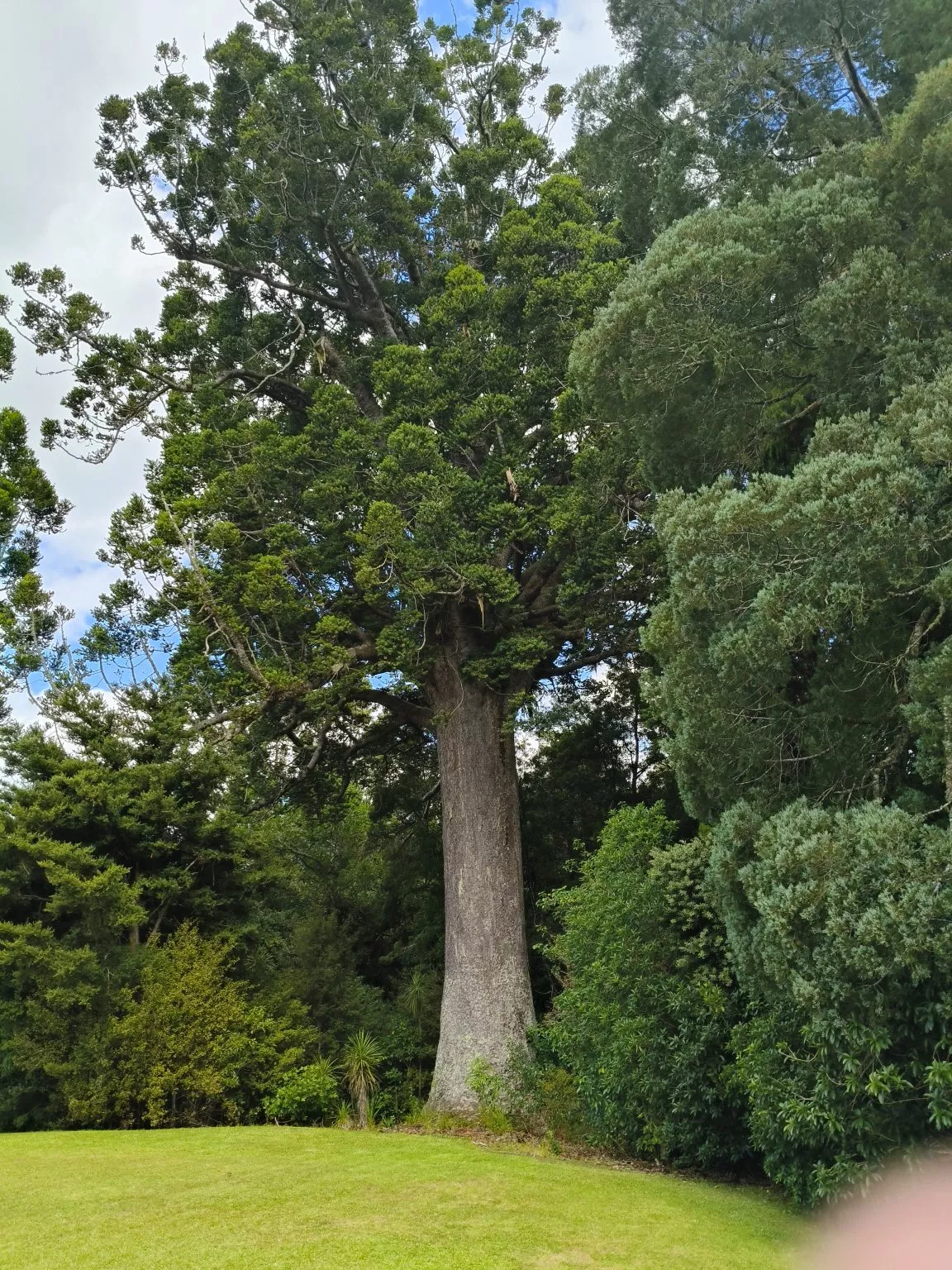
Living Kauri tree provide a glimpse into the past revealing the series of events prehistoric tree sap has to undergo to become amber. These gigantic resinous trees are what they call a living fossil, displaying very little change throughout the records these trees that stood throughout the dinosaur era have been producing amber all that way up until current times, we can closely see how amber is formed, how its preserved and how it reacts to ravages of time.
The main contribution to large amounts of amber being preserved is tsunamis and major catastrophes, flash floods and volcanic sediment quickly covering these materials and starving them of carbon dioxide this creates anti microbial conditions perfect for preserving timber and copal long enough to eventually transform into petrified timber and polymerize from copal into amber. These tree resins have amazing preservation properties but without specific circumstances most sap deteriorates well befoit ever becomes amber.re
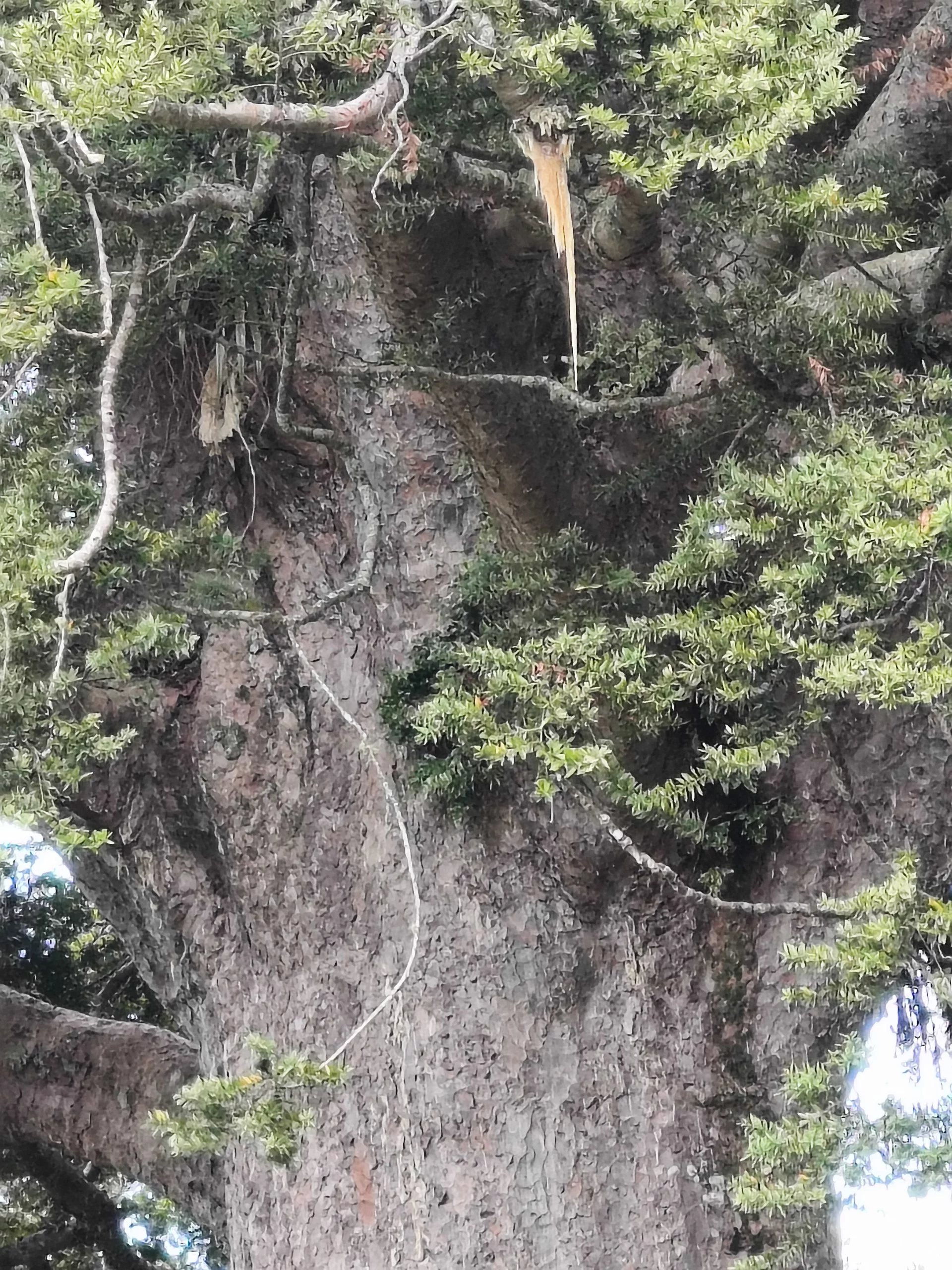
These deadly gumcicle’s or boulders come crashing down in the wind some roll hundreds of meters away from the tree, others penetrate into the soft forest floor directly below. They are quickly covered by fresh forest debris or get washed down into creeks and streams.
The Polymerization process
Polymerization is the process in which the resin molecules bond, turning kauri gum into a harder, more durable substance. Over time, this process makes the gum less brittle, darker, and more stable, eventually creating the transparent, amber-like resin known as copal or amber
oxidation and erosion
Oxidisation occurs when oxygen breaks down unstable resin compounds. Instead of simply hardening, advanced oxidation causes polymer chains to fracture, driving off volatiles and collapsing the structure. The surface and interior then lose cohesion, turning opaque, friable, and chalky rather than glassy. This “chalked” copal is chemically dead resin distinct from amberisation, which stabilises rather than degrades the kauri gum naturally oxidizes in the rain and fluctuating temperatures crack and warp the out layers weaken its integrity allowing water to penetrate deep inside and the majority of will turn into chalk over time though the well protected interior as well as other smaller unoxidized pieces may survive long enough to find its way out of the elements into the right environment for preservation
You can see here how the chalky crust starts to appear in the rolls and folds of kauri gum
New Zealand has vast records of perfectly preserved “swamp kauri” these tree’s of all ages they were felled after catastrophic events such as tsunami and flash floods sinking them in the swamp preserving them for 50,000+ years. Some swamp kauri gum shows evidence of such catastrophe as they were flung of the tree with signs of jet streams behind the inclusions as they were violently Forced inside.
When swamp kauri stumps are slabbed with the gum still intact, you can clearly see in the gum layers that the red colour forms closest to the tree, especially around folds of bark and growth lines. These are the zones where the tree originally pushed out the most resin.
The same pattern shows through the timber grain in what’s commonly called gum-dense wood or amber wood, where resin has soaked deep into the fibres When cut thin enough, these resin-rich areas glow amber red as light passes through, revealing the original resin paths and stress lines inside the tree.
Because the colour originates from altered organic compounds within the bark itself not from the resin the pigmentation appears as internal blotches or clouds, rather than surface staining. This effect reflects the interaction between moisture-altered plant material and the resin’s curing chemistry during the copal-to-amber transition.