.
.
Where to find kauri gum
Browse through the layers in the map where you may potentially find gum you can compare the difference between the historical fields or our registered specimen pins.
Vast wetlands and large ancient kauri forests once covered much of Northland. Since settlement, many have been drained or developed for farming, towns and roads. Today, remnants of New Zealand's historic kauri gum digging industry can still be found throughout these landscapes, while fossil kauri gum remains preserved beneath many former wetland soils.
Gum digging opportunities.
Fossil kauri gum is still occasionally found where soil has been naturally exposed or disturbed. Keep an eye out along eroded banks, freshly upturned soil, farm tracks, slips and other exposed ground. In sandy soils, gently feel beneath the surface for the distinctive hard "crutch" or resistance that can indicate buried gum. Careful observation is often more rewarding than extensive digging. Always obtain permission before searching and ensure collecting is permitted in the area.
For Landowners
If your property may contain kauri gum, you can register as a Gum Land Owner and earn passive income by allowing approved access under your own rules. You choose: Who enters Access times Fees or profit share Whether locals or tourists are allowed
For GumDiggers
Trusted locals and core samplers are issued with gum digging licenses gaining them less restricted access to gum feilds or private lands.
Tourism sector
Visitors can apply for access to participating private properties or connect with approved local licence holders / guides.
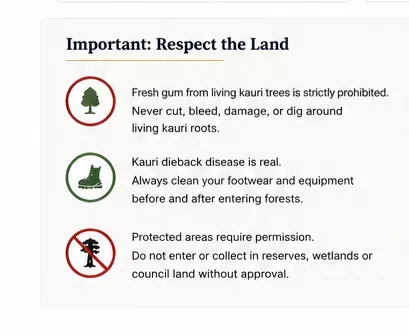
You cant just dig anywhere ... Fresh gum from living kauri trees is strictly prohibited. Never cut, bleed, damage, or dig around living kauri roots.
Most legal gum today comes from old private farmland, historic gumfields, coastal wash-ups, or disturbed ground with permission not from living forests, reserves, or protected wetlands.
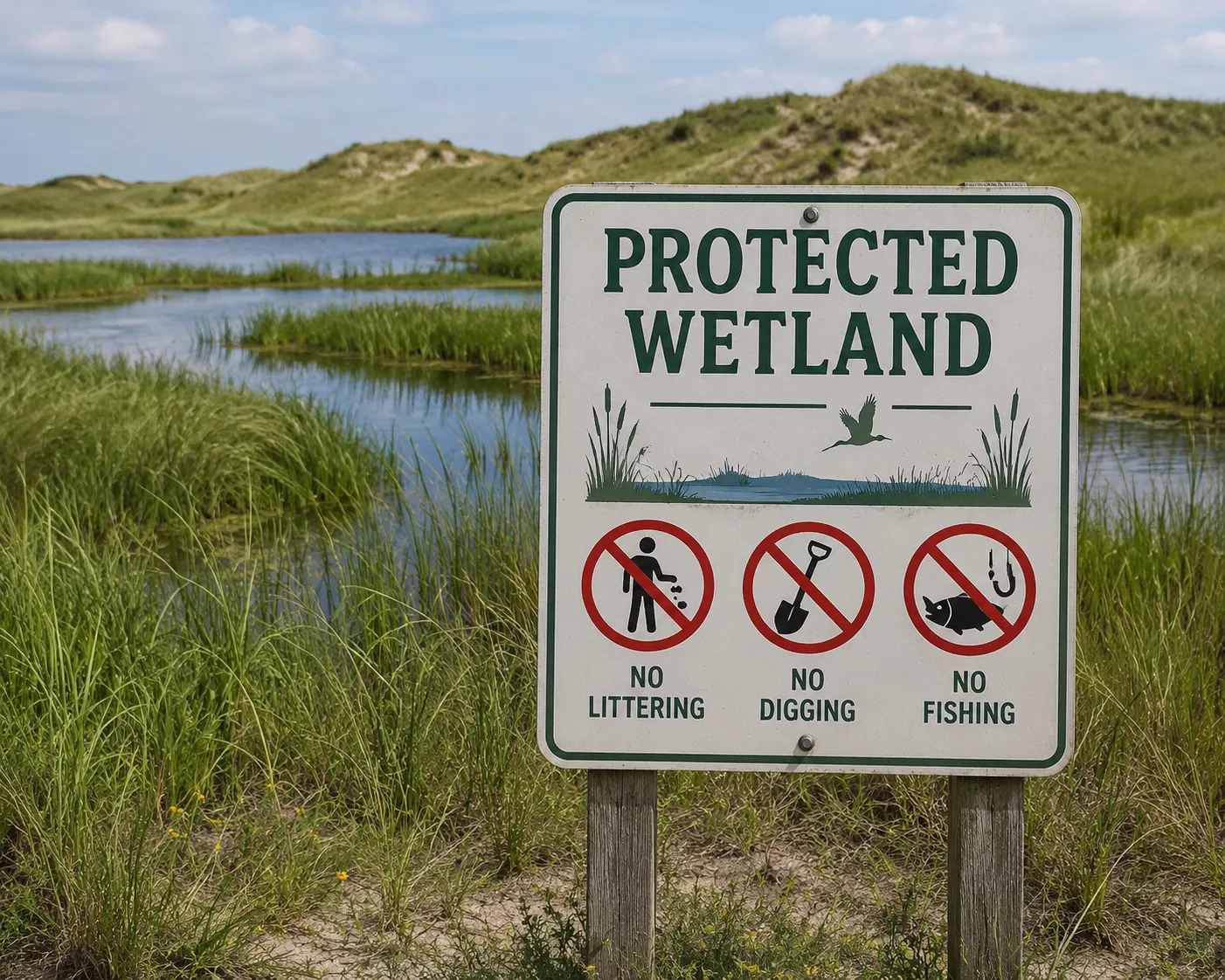
Searching near beaches, rivers, Māori land, wetlands, or protected areas may require permission from the landowner, DOC, council, or local iwi/hapū depending on who manages the land.